
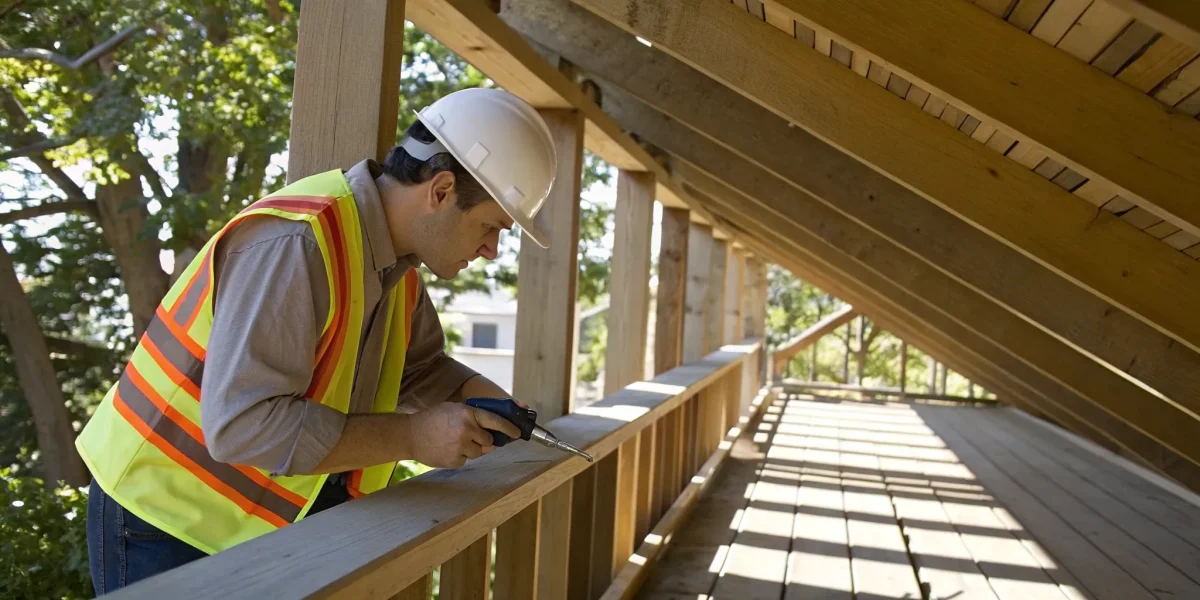
The phrase “deferred maintenance” can sound harmless, but when it comes to your property’s decks and balconies, it’s a significant financial risk. A minor crack or a bit of water damage might seem like a problem for another day, but these issues can escalate into catastrophic failures, leading to devastating repair bills and serious legal liability. Protecting your asset isn’t just about aesthetics; it’s about addressing structural health before it becomes a crisis. A thorough evaluation from a certified deck inspector for apartment complexes is one of the smartest investments you can make, helping you catch problems early, stay compliant with regulations, and prevent small repairs from turning into major financial burdens.
Key Takeaways
- Prioritize Proactive Inspections for Safety and Compliance: Treat regular deck inspections as a fundamental part of property management. This approach keeps you compliant with legal standards like California’s SB 721, ensures tenant safety, and protects your investment from preventable liability.
- A Certified Eye Uncovers Hidden Risks: An NRCIA-certified inspector is trained to identify critical issues an untrained person would miss, from subtle water damage and wood rot to structural weaknesses and code violations. Addressing these early prevents catastrophic failures and costly emergency repairs.
- Vet Your Inspector to Guarantee Quality: Hiring the right professional is crucial. Always verify their NRCIA certification, ask about their specific experience with multi-family properties, and request a sample report so you know you’ll receive a clear, actionable plan for maintenance.
Why Hire a Certified Deck Inspector for Your Apartment Complex?
As a property manager or owner, you juggle a lot of responsibilities, but few are as important as the safety of your tenants and the structural health of your building. When it comes to exterior elevated elements like decks, balconies, and walkways, you simply can’t afford to take chances. Hiring a certified deck inspector is one of the most proactive and responsible decisions you can make for your community. It’s not just about meeting a requirement—it’s about gaining a clear, expert assessment of your property’s condition. A professional inspection helps you identify and address small issues before they escalate into dangerous structural failures and expensive repairs, giving you and your residents valuable peace of mind.
Key Qualifications and Certifications
When you bring in an inspector, you’re placing a great deal of trust in their expertise. That’s why their qualifications are non-negotiable. You need a professional with a solid background in the construction industry and specific knowledge of structural integrity, water intrusion, and proper drainage. In states like California, laws such as SB 721 require that these inspections be performed by licensed architects, engineers, or specific general contractors. An NRCIA certification confirms your inspector has completed specialized training and education to accurately identify potential hazards and provide you with clear, actionable solutions tailored to your property’s needs.
Stay Compliant and Reduce Liability
Putting off necessary inspections, a practice often called “deferred maintenance,” can expose you to significant legal and financial risks. Should an accident occur due to a neglected structural problem, the liability can be devastating. A certified inspector helps you stay ahead of these issues and maintain compliance with all state and local regulations. For apartment owners in California, meeting the inspection deadlines for SB 721 is mandatory, and failure to comply can lead to fines and other legal consequences. Working with a certified professional provides you with the proper documentation to prove you are proactively managing your property’s safety, which greatly reduces your liability.
Uphold Safety Standards for Your Property
Beyond any legal requirements, regular inspections are fundamental to maintaining a safe living environment for your tenants. A comprehensive evaluation from a certified professional offers security for everyone involved. The inspector will conduct a detailed assessment of every component, including the structural supports, waterproofing systems, guardrails, handrails, and the decking surface itself. They are trained to spot the subtle signs of rot, decay, or structural weakness that an untrained eye would easily miss. By identifying and addressing these problems early, you ensure your property meets the highest safety standards and prevent potential accidents, showing your tenants that their well-being is your top priority.
Common Issues Deck Inspectors Uncover
A professional deck inspection goes far beyond a quick visual scan. Certified inspectors are trained to spot subtle signs of trouble that can easily be missed but could lead to significant safety hazards and costly repairs. From the foundation to the railings, they systematically evaluate every component for the property stakeholders who depend on their expertise. Here are some of the most common issues they uncover.
Structural Integrity Problems
The most critical issues an inspector looks for involve the deck’s structural integrity. This includes the ledger board—the piece of lumber that attaches the deck to your building—which is a common failure point. Inspectors check for proper bolting and flashing to ensure it’s secure and protected from water. They also examine support posts for signs of rot or instability, check for loose railings that can’t withstand pressure, and inspect joist hangers for corrosion or improper installation. Catching these problems early is essential for preventing a catastrophic collapse and ensuring the safety of your tenants.
Code Violations and Safety Risks
Building codes for decks and balconies are updated periodically to improve safety, which means an older deck might no longer be compliant. An inspector will verify that your deck meets current local requirements. Common violations include improper railing height, balusters spaced too far apart (a risk for small children), or inadequate stair construction. For apartment complexes in California, inspectors are essential for ensuring compliance with specific mandates like SB 721. Identifying and correcting these code violations isn’t just about following rules; it’s about protecting your residents and reducing your liability as a property owner.
Signs of Water Damage and Decay
Water is a deck’s worst enemy, and inspectors are experts at finding where it’s causing harm. A major red flag is missing or improperly installed flashing over the ledger board. This metal strip is designed to direct water away from the house, and without it, moisture can seep into the building’s frame, causing wood rot and compromising the connection. Inspectors also look for soft or spongy wood, discoloration, and the growth of mold or mildew, especially in areas that don’t get much sun. Our inspectors receive extensive training to identify these subtle but serious signs of decay before they threaten the entire structure.
Overlooked Maintenance Needs
Sometimes, it’s the small, overlooked details that lead to bigger problems. A certified inspector’s report will often highlight routine maintenance needs that can extend the life of your deck. This could include things like popped nails or screws that create tripping hazards, fine cracks in the wood or concrete surfaces that can widen over time, or peeling sealant that leaves the material exposed to the elements. Using detailed inspection software, an inspector can document these minor issues with photos and notes, giving you a clear action plan for preventative maintenance that saves you money in the long run.
How Often Should You Schedule a Deck Inspection?
Knowing when to schedule a deck inspection can feel like a guessing game, but it doesn’t have to be. While there are legal minimums, especially in states like California, the right frequency for your property depends on several factors, including local laws, the age of your structure, and any visible signs of wear. A proactive approach is always best. Setting a regular inspection schedule helps you stay ahead of potential problems, ensuring the safety of your tenants and protecting your investment from costly, unexpected repairs. Think of it as routine healthcare for your building—preventative check-ups are far better than emergency surgery. By understanding both the legal requirements and the physical warning signs, you can create a timeline that keeps your property safe, compliant, and well-maintained for years to come.
Meeting California SB 721 Requirements
If you manage a multifamily property in California, the law sets a clear timeline for you. California Senate Bill 721 mandates that buildings with three or more units must have their Exterior Elevated Elements (EEEs)—like decks and balconies—inspected by a qualified professional every six years. This isn’t just a suggestion; it’s a legal requirement designed to prevent structural failures and ensure resident safety. The first inspection for existing buildings needed to be completed by January 1, 2025, with subsequent inspections required every six years. Staying on top of this schedule is crucial for compliance and avoiding potential fines or legal issues down the road.
Risk Factors That Call for More Frequent Checks
Legal requirements provide a baseline, but certain red flags should prompt you to schedule an inspection much sooner. Don’t wait for the six-year mark if you notice visible structural damage like cracks in concrete, signs of water intrusion, or rust stains. Unstable or wobbly railings are another major warning sign that needs immediate attention. It’s also important to listen to your tenants. If they report any concerns about strange noises or movement when they use their balcony, it’s time to call a professional inspector right away. These issues can indicate serious underlying problems that compromise the safety of the structure.
Why Seasonal Inspections Matter
Beyond legal mandates and obvious damage, it’s smart practice for property managers to conduct their own informal inspections at least once a year. A quick seasonal check-up, especially after a harsh winter or a heavy rainy season, can help you spot minor issues before they escalate. Look for peeling paint, small cracks, water pooling, or any signs of wood rot. These visual checks don’t replace a formal inspection by a certified professional, but they are a vital part of a proactive maintenance plan. Catching a small problem early can save you from a massive repair bill and keep your property in top condition year-round.
How to Hire the Right Certified Deck Inspector
Finding the right inspector for your apartment complex is one of the most important decisions you’ll make for the safety of your residents and the health of your investment. A thorough, professional inspection doesn’t just identify problems; it gives you a clear roadmap for maintenance and repairs, helping you plan and budget effectively. To make sure you’re hiring a true expert, you’ll want to focus on their credentials, ask the right questions, and know what to look for in their final report. This process ensures you partner with someone who will protect your property and give you peace of mind.
Verify Their NRCIA Certification
First things first, always start with the most important credential: their certification. An inspector with an NRCIA certification has completed rigorous training and is held to the highest industry standards. This is your assurance that they have a deep understanding of structural integrity, water intrusion, and proper drainage. A qualified inspector can do more than just spot issues; they can provide clear recommendations and practical solutions. When you hire an NRCIA-certified professional, you’re working with someone committed to excellence. Don’t hesitate to ask for proof of their certification and verify it directly with the association.
Key Questions to Ask Before You Hire
Once you’ve confirmed their certification, it’s time to dig a little deeper to ensure they’re the right fit for your specific property. If your complex is in California, for example, it’s critical to work with a professional who is an expert in the state’s specific balcony regulations, like SB 721.
Before you sign a contract, be sure to ask these key questions:
- What is your experience inspecting multi-family properties like mine?
- Can you provide proof of both general liability and workers’ compensation insurance?
- What does your inspection process involve from start to finish?
- Could I see a sample report to understand what I should expect?
Their answers will give you a clear picture of their professionalism, experience, and communication style.
How to Read the Inspection Report and What to Do Next
The inspection report is your action plan. A comprehensive report from a certified inspector will be detailed yet easy to understand, breaking down the condition of your exterior elevated elements. It should thoroughly assess key areas like structural integrity, waterproofing systems, the safety of guardrails and handrails, and any signs of damage on the decking surface. A great report will include clear photos and prioritize findings, helping you distinguish between urgent safety hazards and recommendations for future maintenance. After you receive it, schedule a follow-up call with the inspector to walk through the findings. This helps you fully understand the next steps, whether that’s scheduling immediate repairs or developing a long-term maintenance plan to protect your property.
Related Articles
- NRCIA Balcony and Deck Inspections SB721 :: NRCIA California
- SB 721 (Deck/Balcony) Inspections – NRCIA
- California’s Balcony and Deck Safety Laws SB721 SB326 :: NRCIA
- California’s Balcony and Deck Safety Bills SB721 SB326 :: NRCIA
Frequently Asked Questions
What’s the real difference between a general contractor and an NRCIA-certified inspector? While a great contractor knows how to build, an NRCIA-certified inspector is a specialist trained to diagnose the health of existing structures. They focus specifically on identifying subtle signs of wear, water damage, and structural weakness that can develop over time. Think of it like the difference between a car manufacturer and a master mechanic—both are experts with cars, but you go to the mechanic to figure out what that strange noise is and how to fix it safely.
My property isn’t in California. How often should I get my decks inspected? Even without a state law like SB 721, regular professional inspections are a critical part of responsible property management. A good rule of thumb is to schedule a certified inspection every three to five years, depending on the age of your building, local climate, and the materials used. This proactive schedule helps you stay ahead of major repairs and demonstrates that you are committed to your tenants’ safety, which is always a wise business practice.
What should I do if the inspection report uncovers major issues? First, don’t panic. The report is your roadmap to a solution. A good inspector will prioritize their findings, clearly distinguishing between urgent safety hazards and long-term maintenance recommendations. If a serious structural issue is identified, your immediate responsibility is to restrict access to that area to ensure resident safety. From there, you can use the detailed report to get accurate quotes from qualified repair contractors and create a plan to address the problems methodically.
Can I perform the inspection myself to cut costs? While doing your own visual checks is a great habit for routine maintenance, it should never replace a formal inspection by a certified professional. An inspector is trained to recognize complex issues like ledger board flashing failure or subtle structural decay that an untrained eye would easily miss. More importantly, a certified inspector’s report provides official documentation that you have performed your due diligence, which is essential for reducing your liability.
How can I prepare my property and tenants for an upcoming inspection? A smooth inspection starts with clear communication. Give your tenants plenty of notice about the date and time of the inspection, and kindly ask them to clear their balconies and decks of personal items like furniture and plants. This ensures the inspector has unobstructed access to all surfaces and structural components. Also, make sure any locked access points are open on the day of the inspection to help the process go efficiently.
